Northern Bangladesh Heritage Trail: Paharpur, Mahasthangarh, Puthia, Kantajew and Tajhat in 5 Days
Two thousand years of Bengal history lie along one road trip in the north: a UNESCO Buddhist monastery, the oldest city site in Bangladesh, terracotta temples and a zamindar palace. Here is how to link them in five days.

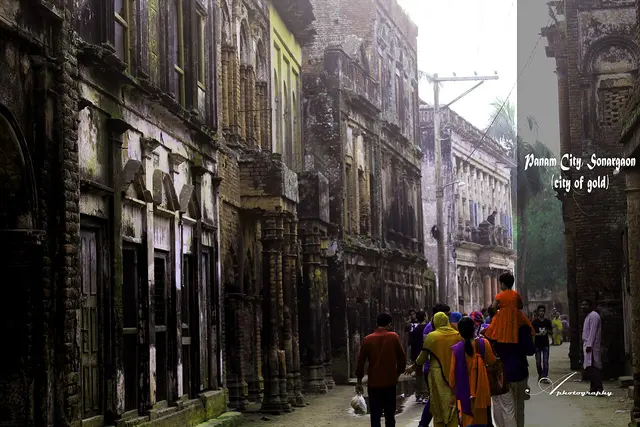
Most visitors to Bangladesh head south to the beaches or east to the hills. The north-west, the old Varendra and Pundra country of Rajshahi and Rangpur divisions, is quieter, flatter and astonishingly rich in history. In a few days on the road you can walk through the oldest known city site in Bangladesh, climb around one of the largest Buddhist monasteries south of the Himalayas, admire terracotta temples carved with epics, and finish at a white zamindar palace.
This guide links five headline sites, Puthia, Paharpur, Mahasthangarh, Tajhat Palace and Kantajew Temple, into a five-day route from Dhaka, with history, travel tips, food, a budget and a shorter three-day option.
The trail at a glance
| Region | Rajshahi and Rangpur divisions (north-west Bangladesh) |
| Headline sites | Paharpur (UNESCO), Mahasthangarh, Puthia Temple Complex, Kantajew Temple, Tajhat Palace |
| Bases | Rajshahi, Bogura, Rangpur, Dinajpur |
| Time needed | 5 days (or a 3-day short loop) |
| Best months | October to March |
| Getting around | Intercity bus and train, plus CNGs, local buses or a hired car |
| Budget | Roughly ৳10,000–18,000 per person for 5 days, mid-range (approximate) |
A quick history of the north
The plains between the Padma, Jamuna and Karatoya rivers were among the earliest settled parts of Bengal. Pundranagara (today's Mahasthangarh) was a fortified city by at least the 3rd century BCE. Later, the Buddhist Pala kings (8th–12th centuries) built great monasteries here, including Somapura Mahavihara at Paharpur. Sultanate and Mughal rule followed. In the 18th and 19th centuries, wealthy Hindu zamindar families such as the rajas of Puthia and Dinajpur built temples covered in terracotta, Bengal's great art form in fired clay. The early 20th century brought European-style palaces such as Tajhat.
Travel the trail in order and you move through these layers one by one.
How to get there from Dhaka
- To Rajshahi: Intercity trains and many buses run from Dhaka. The journey takes roughly 5–6 hours, depending on route and traffic.
- To Bogura: Buses take roughly 4–5 hours.
- To Rangpur and Dinajpur: Buses take roughly 6–8 hours, and intercity trains also serve both towns.
Check current timetables and buy train tickets through Bangladesh Railway's official e-ticketing. Bus operators sell tickets at counters and online. All travel times here are approximate.
Opening hours and entry
Paharpur, Mahasthangarh and Kantajew's surroundings are managed or protected by the Department of Archaeology, and Paharpur, Mahasthangarh and Tajhat have site museums with tickets. Expect a weekly closing day, shorter Friday hours around Jumma prayers and seasonal timings. Reports on the exact days differ, so check locally before you go. Temples are active places of worship, so follow the rules at the gate.
The five sites
1. Puthia Temple Complex (Rajshahi)
About 23 km east of Rajshahi city, the village of Puthia holds the largest group of historic temples in Bangladesh, built by the Puthia Raj family. Highlights include:
- Shiva temple (Bhubaneshwar): a tall, spired temple overlooking the Shiv Sagar lake, built from 1823 by Rani Bhubanmoyee Devi and often described as the largest Shiva temple in the country.
- Govinda temple: a square temple with fine terracotta panels on its walls.
- Dol Mandir: a multi-storey temple used during the Dol (Holi) festival.
- Puthia Rajbari: the two-storey palace of the Puthia rajas facing a large field.
Walk around the lakes in the late afternoon, when the temples reflect in the water.

In Rajshahi city, visit the Varendra Research Museum, founded in 1910 and one of the oldest museums in Bangladesh, with sculpture and artefacts from the region. Then walk along the Padma river embankment at sunset.
2. Paharpur: Somapura Mahavihara (Naogaon)
The jewel of the trail. Somapura Mahavihara at Paharpur in Naogaon district was built under the Pala king Dharmapala in the late 8th century and was a major centre of Buddhist learning for centuries. UNESCO inscribed the Ruins of the Buddhist Vihara at Paharpur as a World Heritage Site in 1985.
What you see:
- The central temple: a huge, terraced, cross-shaped brick structure rising in the middle of the courtyard. Its plan influenced Buddhist architecture as far away as South-East Asia.
- 177 monks' cells around a vast square courtyard, enclosed by a massive wall.
- Terracotta plaques along the temple's base, showing animals, people, gods and everyday scenes.
- The site museum, with sculptures, coins and plaques found during excavation.
Allow at least 2–3 hours. Walk the full circuit of the cells, then sit on the lawn and look back at the temple. The light is best in early morning and late afternoon.

Do not climb on the temple. The brickwork is fragile and climbing is prohibited.
3. Mahasthangarh: ancient Pundranagara (Bogura)
About 13 km north of Bogura town, on the bank of the Karatoya River, lie the walls of Pundranagara, the earliest urban archaeological site in Bangladesh, dating to at least the 3rd century BCE. A Brahmi inscription found here mentions the city by name.
The fortified citadel measures roughly 1.5 km by 1.4 km, with earthen and brick ramparts that still rise above the fields. Inside and around it are excavated gates, temple bases and mounds. Things to see:
- The ramparts: walk along the top for views over the citadel and the river.
- Govinda Bhita: a large brick temple site beside the Karatoya.
- Mahasthan site museum: pottery, coins, terracotta and sculpture from the excavations.
- Behular Basar Ghar (Gokul Medh): a few kilometres away, a high brick mound that local legend links to the story of Behula and Lakhindar.
- The mazar of Shah Sultan Balkhi: a shrine on the mound that draws many pilgrims.

4. Tajhat Palace (Rangpur)
On the edge of Rangpur city stands Tajhat Palace (Tajhat Rajbari), a gleaming white mansion built in the early 20th century by Maharaja Kumar Gopal Lal Roy. Its marble staircase, central dome and long colonnades make it one of the finest zamindar houses in northern Bangladesh. It was declared a protected monument in 1995, and the Rangpur Museum moved into the palace in 2005, with terracotta, sculpture, manuscripts and other objects. Photography inside the museum may be restricted, so ask at the entrance.

5. Kantajew Temple (Dinajpur)
North of Dinajpur town, at Kantanagar, stands one of the most richly decorated temples in Bangladesh. Kantajew (Kantaji) Temple was begun around 1704 by Maharaja Pran Nath of Dinajpur and completed by his son Raja Ramnath in the 18th century (sources give different completion dates). It is dedicated to Krishna.
Almost every surface of the brick temple is covered in terracotta panels: scenes from the Mahabharata and Ramayana, Krishna's life, hunting parties, processions, boats and daily life in 18th-century Bengal. It was built as a nava-ratna (nine-spired) temple, but the spires collapsed in the 1897 earthquake.
Take your time, walk around slowly and look closely. Each panel tells a story. Morning light brings out the detail best.

Also in Dinajpur: the Ramsagar, a large 18th-century reservoir surrounded by trees, makes a peaceful afternoon stop.
Best time to go
| Period | Conditions |
|---|---|
| October – November | Very good. Harvest season, clear skies and comfortable days. |
| December – January | Cool and dry, but fog and cold waves are common in the north. Mornings can be cold; buses and trains may be delayed by fog. |
| February – March | Excellent: warm days, cool nights and spring colours |
| April – June | Hot. Mango (Rajshahi) and litchi (Dinajpur) season makes up for it if you go early in the day. |
| July – September | Monsoon rain and humidity, but the countryside is very green |
What to eat
- Kalai roti (Rajshahi): a flatbread made from black gram (mashkalai) flour, eaten with spicy chutney, mashed vegetables or beef.
- Rajshahi mangoes: in season from around late May to July. The whole region smells of mangoes.
- Natore's kachagolla: a soft, delicate milk sweet. Natore is on the road between Rajshahi and Bogura.
- Bogura's doi: the famous sweet yoghurt, served in clay pots. Do not leave Bogura without trying it.
- Dinajpur litchis: in season around May–June.
- Local fish and rice: simple, fresh meals are available in every town.
Sample 5-day itinerary
Travel times are approximate and depend on traffic and transport.
Day 1: Dhaka to Rajshahi. Take an early train or bus. In the afternoon, visit the Varendra Research Museum and watch sunset on the Padma embankment. Overnight in Rajshahi.
Day 2: Puthia and Paharpur. Drive out early to Puthia (around 45 minutes) and spend the morning among the temples. Continue to Paharpur (a few hours by road) for the afternoon light on the monastery. Overnight in Naogaon, Joypurhat or Bogura.
Day 3: Mahasthangarh and on to Rangpur. Explore Mahasthangarh and its museum in the morning, with Bogura doi for lunch. Drive north to Rangpur and visit Tajhat Palace in the late afternoon. Overnight in Rangpur.
Day 4: Kantajew and Dinajpur. Travel to Dinajpur and on to Kantajew Temple. Spend the late afternoon at Ramsagar. Overnight in Dinajpur.
Day 5: Back to Dhaka. Take a day train or bus back to Dhaka.
3-day short loop: Dhaka → Rajshahi (Puthia) → Paharpur → Bogura (Mahasthangarh) → Dhaka.
Extension: continue north to Tetulia in Panchagarh for Kanchenjunga views on clear days in October–November.
Estimated budget (per person, 5 days)
Approximate ranges for planning. Prices vary with season, transport and hotel standard. Foreign visitors pay higher entry fees.
| Item | Approximate range | Notes |
|---|---|---|
| Intercity transport (bus/train) | ≈ ৳2,000–4,000 | Dhaka → Rajshahi, between towns, Dinajpur → Dhaka |
| Local transport (CNGs, buses) | ≈ ৳1,500–3,000 | A private car shared by a group costs more |
| Hotels (4 nights, shared room) | ≈ ৳4,000–8,000 | Simple to mid-range hotels in district towns |
| Food | ≈ ৳2,000–3,500 | |
| Entry tickets | Low for locals | Higher for foreigners; check at each site |
| Total | ≈ ৳10,000–18,000 |
Etiquette and safety
- Never climb ruins or temples. Paharpur's temple, Mahasthangarh's walls and Kantajew's terracotta are fragile and protected.
- Do not touch or rub terracotta panels. Oils and pressure wear them away.
- Temples and mosques: dress modestly, remove your shoes and follow the rules for visitors. Some areas may be closed to non-worshippers.
- Photography: fine outdoors. Many site museums restrict photography inside.
- Winter fog: road travel early in the morning can be dangerous in dense fog. Prefer daylight journeys and allow extra time.
- Sun and dust: these are open sites with little shade. Carry water, a hat and sunscreen.
Practical tips
- Base yourself in towns. Rajshahi, Bogura, Rangpur and Dinajpur have hotels in a range of budgets. Facilities near the sites themselves are limited.
- Hire a car for flexibility. If you are a group of three or four, a car with a driver saves a lot of time between sites.
- Carry cash. ATMs are found in towns, but not always near the sites.
- Hire a local guide at Paharpur or Mahasthangarh to understand what you are looking at.
- Read up first. The trail is far more rewarding if you know the basic story of the Palas, Pundranagara and the zamindars.
Travel with a group
The northern heritage trail is long, and logistics make or break it. BanglaTrips runs small-group heritage tours in the cool season with transport, hotels and guides arranged. See our pages for Paharpur, Mahasthangarh, Puthia, Kantajew Temple and Tajhat Palace, and check our six seasons travel calendar to pick your dates.
Frequently asked questions
How many days do I need? Five days for all five sites; three days for a short Rajshahi–Paharpur–Mahasthangarh loop.
When should I go? October to March. Expect fog and cold in December–January.
Is Paharpur a UNESCO site? Yes, inscribed in 1985.
Are the sites open every day? No. Each has a weekly closing day and seasonal hours. Check locally.
How do I get around? Intercity bus or train between towns; CNGs, local buses or a hired car to the sites.
What should I eat? Kalai roti, Bogura doi, Natore kachagolla, and Rajshahi mangoes or Dinajpur litchis in season.
How much will it cost? Roughly ৳10,000–18,000 per person for 5 days (approximate).
Last updated: October 2026
Frequently asked questions
How many days do I need for the northern heritage trail?
Five days (four nights) covers Puthia, Paharpur, Mahasthangarh, Tajhat Palace and Kantajew Temple at a comfortable pace, including travel from and back to Dhaka. With three days you can do a shorter loop of Rajshahi, Paharpur and Mahasthangarh.
What is the best time to visit Paharpur and Mahasthangarh?
October to March is best. The days are dry and pleasant for walking around open-air ruins. December and January can be foggy and cold in the north, especially in the early morning, so carry warm layers.
Is Paharpur a UNESCO World Heritage Site?
Yes. The Ruins of the Buddhist Vihara at Paharpur (Somapura Mahavihara) were inscribed on the UNESCO World Heritage List in 1985. It is one of three World Heritage Sites in Bangladesh, along with the Sundarbans and the Historic Mosque City of Bagerhat.
Are these sites open every day?
No. Department of Archaeology sites and site museums have a weekly closing day, shorter Friday hours and seasonal timings, and reports differ on the exact schedule. Check locally or with your hotel before you go.
How do I travel between the sites?
Intercity buses and trains link Dhaka with Rajshahi, Bogura, Rangpur and Dinajpur. Between the sites, most travellers use local buses, CNG auto-rickshaws or a hired car. A car with a driver for the whole trip is the easiest option for a group.
What food should I try on the northern trail?
Kalai roti in Rajshahi, Bogura's famous doi (sweet yoghurt), and seasonal fruit: Rajshahi mangoes from around late May to July and Dinajpur litchis around May–June. Natore's kachagolla sweet is a good stop between Rajshahi and Bogura.
How much does a 5-day northern heritage trip cost?
Roughly ৳10,000–18,000 per person on a mid-range budget, covering transport, simple hotels, food and entry tickets. A private car shared by a small group costs more. These are approximate planning figures; check current prices.
Sources
Facts were checked against these sources when the guide was written. Conditions change, so confirm before you travel.
- Ruins of the Buddhist Vihara at Paharpur (UNESCO World Heritage List)whc.unesco.org
- Somapura Mahavihara (Wikipedia)en.wikipedia.org
- Mahasthan (Banglapedia)en.banglapedia.org
- Puthia Temple Complex (Wikipedia)en.wikipedia.org
- Kantajew Temple (Wikipedia)en.wikipedia.org
- Kantajew Temple: the navaratna style (Beautiful Bangladesh, Bangladesh Tourism Board)beautifulbangladesh.gov.bd
- Tajhat Palace (Wikipedia)en.wikipedia.org